How we check models
Every model is checked 2 to 4 times a day at random times, over the same path as your requests. A router can't tell a check from normal use.
In short

We ask
At random times we send short questions to the router, over the same path as your requests.
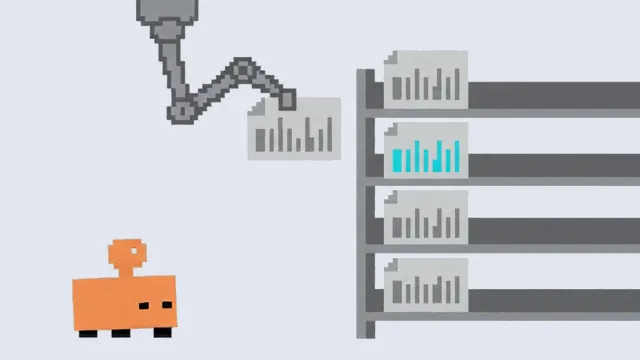
We compare
The answers are compared with answers we recorded from the real model. Different models answer in different ways.
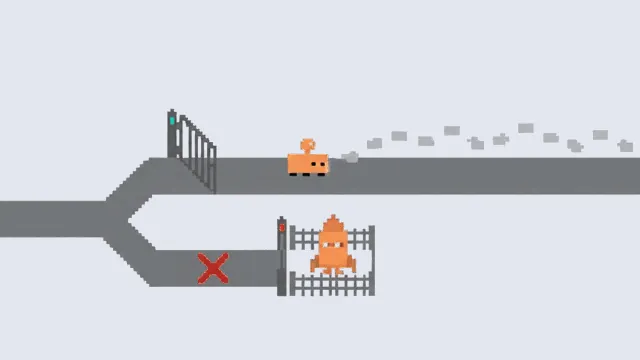
We act
If the answers match another model better, a larger confirmation check runs. If the confirmation fails too, the router is struck off and your requests move to the next router.
What checks catch
- A model from another tier, such as a small model sold under a large model's name.
- A model from another vendor.
- Token counts that don't match, and a system prompt the router adds to every request.
- Streaming or tool calls that arrive broken.
What checks can't prove
- The same model in a quantized version.
- Another model answering only a small share of requests.
- A drop in quality between two checks.
- Every verdict is worked out from a sample of answers, so there is still a chance of error. That is why an Insufficient result is always followed by a confirmation check.
Three verdicts, never combined
Every check gives three separate verdicts. We never sum them up as one score.
Identity
Which model best matches the router's answers, compared with the model it claims to be. Only this verdict can strike a router off.
PassInsufficientFail
Token accounting
Whether the token counts the router reports match the reference, and how large a system prompt the router adds to each request. That system prompt is taken off the tokens you pay for.
PassFail
Transport
Whether streaming and tool calls arrive intact. A transport problem is recorded as a failure but doesn't strike a router off.
PassFail
The method, in outline
Each check sends a set of short questions whose answers are typical of each model. The router's answers are scored against recordings of the real model's behaviour. The identity verdict uses the best-matching model and its margin over the next one.
If the margin is small, too few answers are valid, or the answers match no model, the result is Insufficient. A Fail or Insufficient result is followed right away by a larger confirmation check. Only a failure in the confirmation check strikes a router off.
A struck-off router is used again only after it passes a manual verification by the admin. Until then your requests use the next router in line, with the official API as the last choice. We don't check the official API.
We don't publish every detail of the method, so routers can't game the checks. Some questions are kept hidden and rotated.
Latest reports
We publish every check, passed or failed.